
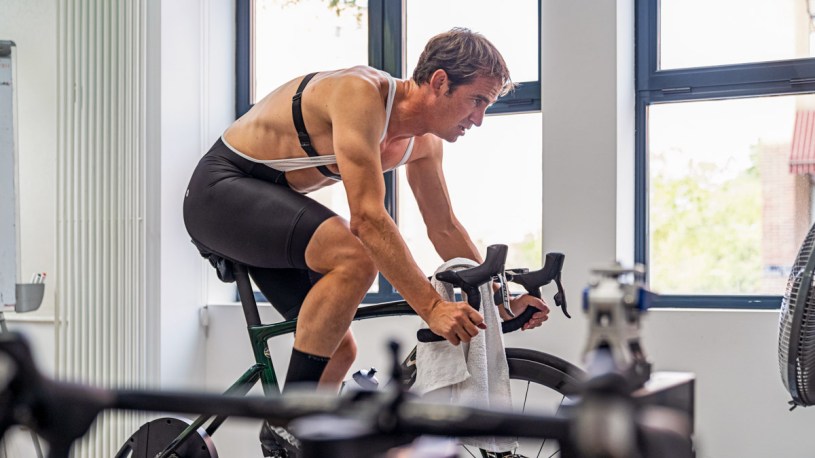
A strong immune system is the foundation of good health, and exercise plays a major role in keeping it efficient. Among the many forms of fitness, indoor cycling has gained attention not only for its cardiovascular benefits but also for its ability to strengthen the body’s natural defence system. The controlled environment, rhythmic intensity, and structured intervals create the perfect conditions for boosting immunity without the risks of overexertion or outdoor pollution exposure.
At True Fitness Singapore, cycling sessions are scientifically designed to enhance physical endurance while stimulating immune functions that protect against common illnesses. Beyond burning calories and improving heart health, indoor cycling supports cellular repair, hormonal balance, and stress reduction, all of which directly contribute to a resilient immune system.
How Exercise Influences Immunity
The immune system is made up of cells, tissues, and organs that work together to protect the body from infection and disease. Regular physical activity, when done at moderate to high intensity, enhances this defence network by improving circulation, reducing inflammation, and promoting the renewal of immune cells.
Key ways exercise strengthens immunity include:
-
Increasing the circulation of white blood cells (WBCs) that fight infection.
-
Improving lymph flow, which helps remove waste and toxins.
-
Reducing chronic inflammation, a factor behind many diseases.
-
Balancing stress hormones that can weaken immune defences.
The Ideal Balance: Moderate-Intensity Training
Research consistently shows that moderate-intensity cardio—such as a 45-minute indoor cycling session—optimally boosts immunity. Unlike extreme endurance workouts, which may temporarily suppress immune function, cycling maintains the right balance between stimulation and recovery.
Moderate-intensity rides improve the movement of immune cells like natural killer cells and neutrophils. These cells circulate more freely during and after workouts, increasing the body’s surveillance against viruses and bacteria.
Cycling indoors allows precise control over resistance and heart rate, ensuring you stay within this ideal range without environmental stressors like heat or humidity affecting performance.
Indoor Cycling and the Role of Stress Hormones
Chronic stress can severely weaken the immune system by elevating cortisol and adrenaline levels. These hormones, when constantly high, suppress white blood cell activity and slow down immune response.
Indoor cycling effectively regulates these hormones. The rhythmic pedalling pattern, combined with uplifting music and instructor guidance, triggers the release of endorphins and serotonin—natural chemicals that counteract stress. Over time, this reduces cortisol levels, leading to stronger immune defence.
Cycling also helps reset the nervous system from “fight or flight” mode (sympathetic dominance) to “rest and recover” (parasympathetic balance). This shift is vital for long-term immune health and energy stability.
Circulation and Lymphatic Movement
Unlike the cardiovascular system, the lymphatic system has no pump of its own. It relies on muscle contractions and deep breathing to circulate lymph fluid, which carries immune cells and removes toxins. Indoor cycling stimulates this system through continuous muscle movement and improved blood flow.
Each pedal stroke acts like a natural pump for the lymphatic network. This promotes detoxification, reduces swelling, and enhances immune readiness. The deep, rhythmic breathing during rides further oxygenates blood and supports cellular repair.
The Link Between Sleep, Recovery, and Immunity
Quality sleep is essential for a healthy immune system. During deep sleep, the body produces cytokines—proteins that help fight infections and inflammation. Regular indoor cycling promotes better sleep by balancing hormones like melatonin and cortisol.
When performed in the evening, a moderately intense cycling class can help release physical tension accumulated during the day, allowing smoother transition into rest. A consistent routine of cycling and recovery builds stronger immune responses over time.
The Role of Mitochondria and Cellular Energy
Mitochondria are the energy centres of our cells and play a crucial role in both metabolism and immunity. Indoor cycling enhances mitochondrial function through aerobic adaptation, leading to more efficient energy production.
Healthy mitochondria support immune cells like macrophages and lymphocytes, which require energy to identify and destroy harmful pathogens. With improved mitochondrial density, the immune system operates with greater speed and precision.
Reducing Inflammation Through Regular Cycling
Inflammation is part of the immune process, but chronic inflammation can become harmful, leading to fatigue, joint pain, and reduced resistance to illness. Regular indoor cycling lowers inflammation markers by improving insulin sensitivity and reducing excess body fat.
The release of anti-inflammatory cytokines (such as IL-10) during exercise balances the immune response. This is particularly beneficial for individuals managing stress-related inflammation or metabolic disorders.
Environmental Advantages of Indoor Training
Outdoor workouts expose riders to pollution, allergens, and fluctuating weather—all of which can irritate respiratory systems and compromise immunity. Indoor cycling eliminates these external stressors, allowing riders to focus purely on performance and recovery.
Studios maintain optimal temperature, humidity, and air filtration, ensuring consistent oxygen flow without environmental strain. This controlled atmosphere creates a safe, hygienic space ideal for those prioritising immune wellness.
Nutrition’s Role in Immunity for Cyclists
Exercise alone cannot sustain immunity; it must be supported by proper nutrition. Indoor cyclists should maintain a balanced diet rich in immune-boosting nutrients such as:
-
Vitamin C and E: Found in citrus fruits, nuts, and leafy greens.
-
Zinc: Essential for white blood cell production.
-
Protein: Helps repair muscle tissue and produce antibodies.
-
Probiotics: Support gut health, which directly influences immune strength.
Hydration also matters. Sweating during cycling can deplete electrolytes and weaken immune defences if not replenished. Drinking water or low-sugar electrolyte solutions before and after rides maintains internal balance.
Sustainable Immune Health Through Consistency
Like strength training for muscles, immune resilience builds gradually. Consistent indoor cycling—three to four times per week—creates lasting improvements in blood flow, hormonal stability, and immune cell function.
Cyclists who maintain a routine often report fewer seasonal colds, quicker recovery from fatigue, and greater emotional stability. Combined with healthy eating, rest, and mental wellness, cycling forms the core of a sustainable immune-strengthening lifestyle.
Frequently Asked Questions (FAQ)
Q1: Can indoor cycling reduce the risk of common colds or flu?
Yes. Regular moderate cycling enhances immune surveillance, helping the body identify and eliminate pathogens more efficiently.
Q2: Does intense cycling weaken immunity?
Excessive high-intensity training without recovery can temporarily lower immune response. Balanced sessions with rest days maintain optimal defence levels.
Q3: How long after cycling does the immune system stay elevated?
The immune-boosting effects last for several hours post-workout. Consistent training extends these benefits permanently over time.
Q4: Is indoor cycling suitable for people recovering from mild illness?
Yes, once symptoms subside. Gentle sessions can aid circulation and recovery, but it’s important to avoid overexertion until fully well.
Q5: How does indoor cycling affect people with allergies?
Indoor cycling reduces exposure to outdoor allergens like pollen and pollution, making it ideal for individuals with respiratory sensitivities.
Q6: How does True Fitness Singapore support immunity through cycling programs?
Through well-ventilated studios, clean air systems, and scientifically structured classes, True Fitness Singapore ensures members enjoy safe, immune-supportive environments for every ride.
 your fits health