
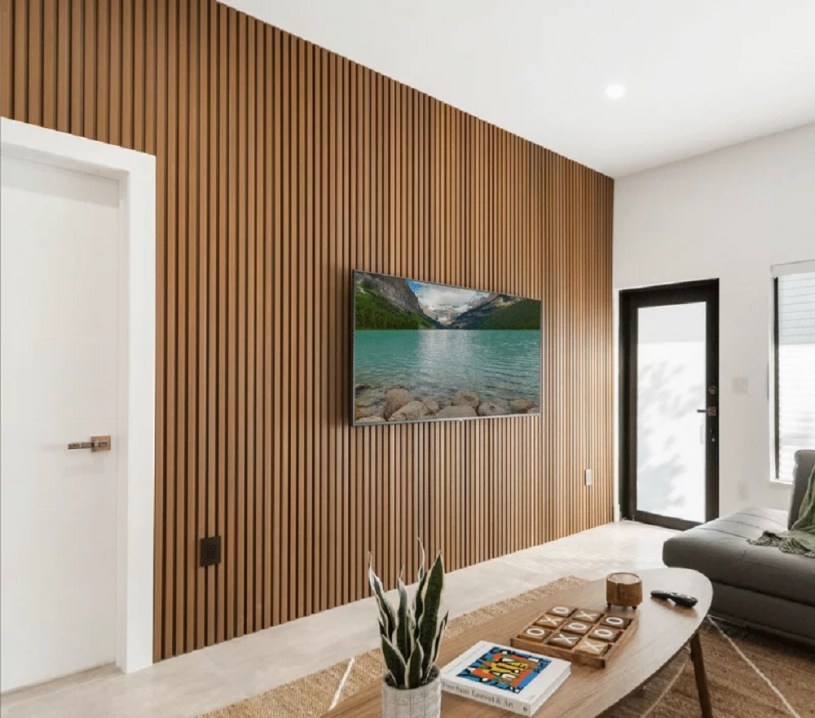
Wall panels provide a flexible and aesthetically appealing solution for interior and outside layouts, serving as both practical and ornamental elements in architectural areas. These panels are available in a wide variety of materials, styles, and functionalities, catering to diverse design possibilities and realistic needs. From improving insulation and acoustics to presenting precise textures and visual appeal, wall panels have ended up indispensable additives in present-day production and layout.
Here are some of the most not unusual sorts:
Wooden Panels: Wood panels convey warm temperatures and natural beauty to any area. They are available in several varieties of wood, along with oak, pine, cedar, and bamboo, every imparting awesome textures and grain styles. These panels may be strong wooden or engineered wood merchandise like plywood or MDF (Medium-Density Fiberboard). Wooden panels upload a touch of splendor and are frequently utilized in traditional or rustic interior designs. They provide excellent insulation and acoustic residences, contributing to a relaxed environment.
Metal Panels: Metal panels offer a graceful and contemporary look, suitable for current or commercial-fashion interiors. They are common products of aluminum, metal, or copper, providing sturdiness and a reflective floor that complements the belief of the area. Metal panels can be mounted in various finishes, together with polished, brushed, or textured, allowing for customization in keeping with layout alternatives. While they will no longer provide as a great deal insulation as distinctive materials, metallic panels are easy to use and preserve, making them appropriate for regions with high traffic.
Vinyl panels: Vinyl panels are a cost-effective and flexible wall covering. Made from polyvinyl chloride (PVC) and available in a variety of colors, patterns, and textures, including faux wood and stone finishes, Vinyl panels are lightweight, durable, and proof water-resistant for use in kitchens, toilets, and basements. They are the perfect ones. They are also easier to install and require less maintenance compared to different materials. In addition, vinyl panels offer the best insulation and assist in increasing the general electricity performance of buildings.
Gypsum panels: Gypsum panels, usually referred to as drywall or plasterboard, are extensively utilized in residential and business creation. Available in a gypsum medium sandwiched among paper or fiberglass, they offer electricity, fireside resistance, and sound insulation. Gypsum panels are available in many sizes and thicknesses to meet particular building requirements. They can be packed with paint, wallpaper, or textured coatings to obtain the right aesthetic effect. Drywall installation is pretty short and simple, making it a well-known preference for indoor wall systems.
Fiberglass reinforced panels (FRP): FRP panels are fabricated from fiberglass fibers embedded in a polymer resin matrix. They are extremely durable, water resistant, and easy to smooth, making them best for environments requiring high humidity or hygiene, consisting of commercial kitchens, hospitals, and food processing facilities. FRP panels with a smooth or textured surface are available as fabric or automatically located binders. They provide first-rate safety against stains and chemical compounds and affect competition, contributing to durability.
Key Takeaway
Each form of wall panel offers wonderful traits and advantages, taking into consideration flexibility in layout and capability. The preference for panel material depends on elements including finances, aesthetic alternatives, durability requirements, and environmental concerns. Whether aiming for a country appeal, present-day flair, or commercial part, there may be a wall panel choice to fit every style and want.
 your fits health